Business & pricing
Is an embroidery business worth it? An honest look at time, costs and capacity
Thinking of selling machine embroidery? Work out time per item, single vs multi-needle capacity, forgotten costs, design licensing and when to upgrade.
As an Amazon Associate I earn from qualifying purchases. It does not change the price you pay. How we handle links.
The machines in this comparison
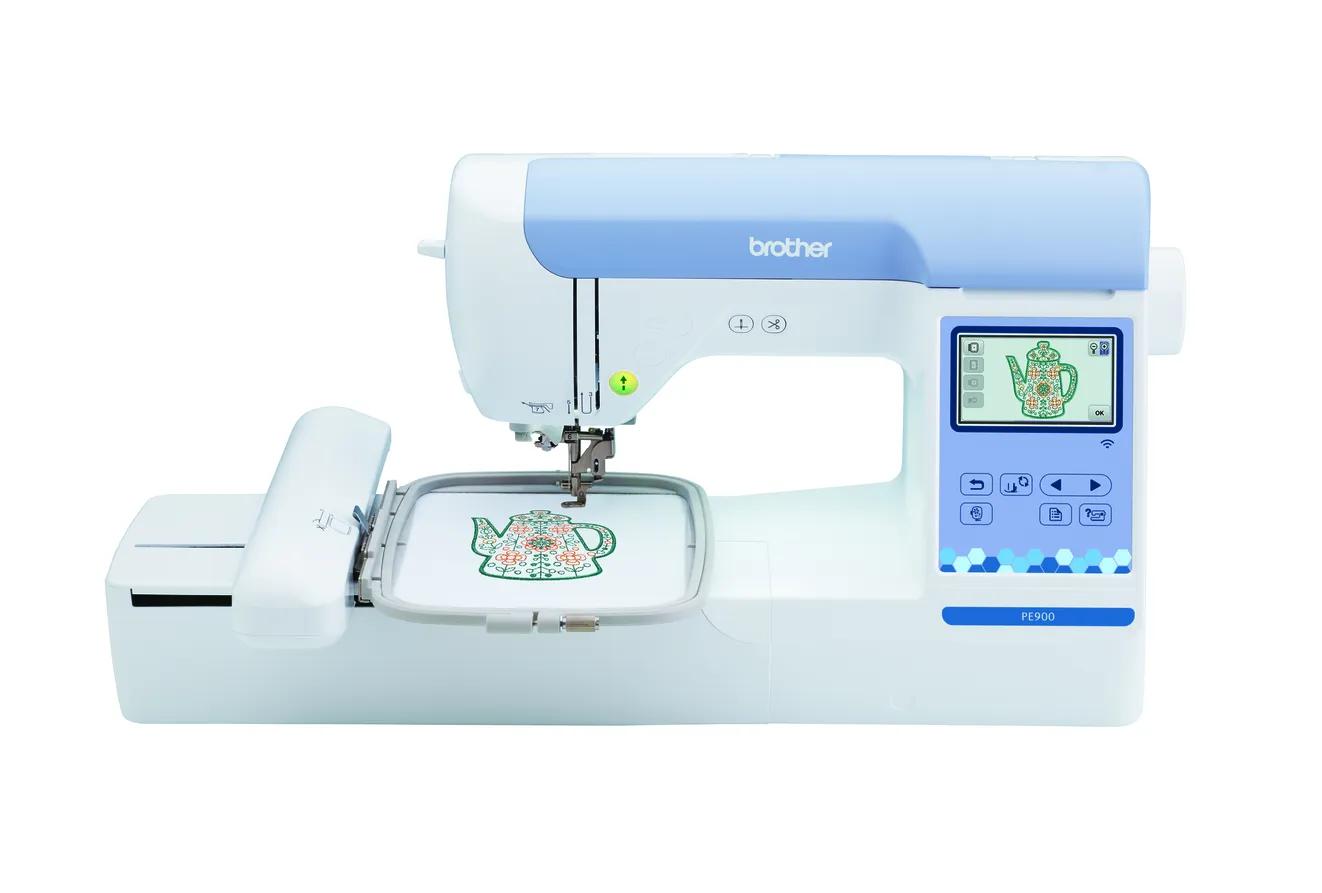 Check price
Brother PE900
5 × 7 in · Embroidery only · Wi-Fi
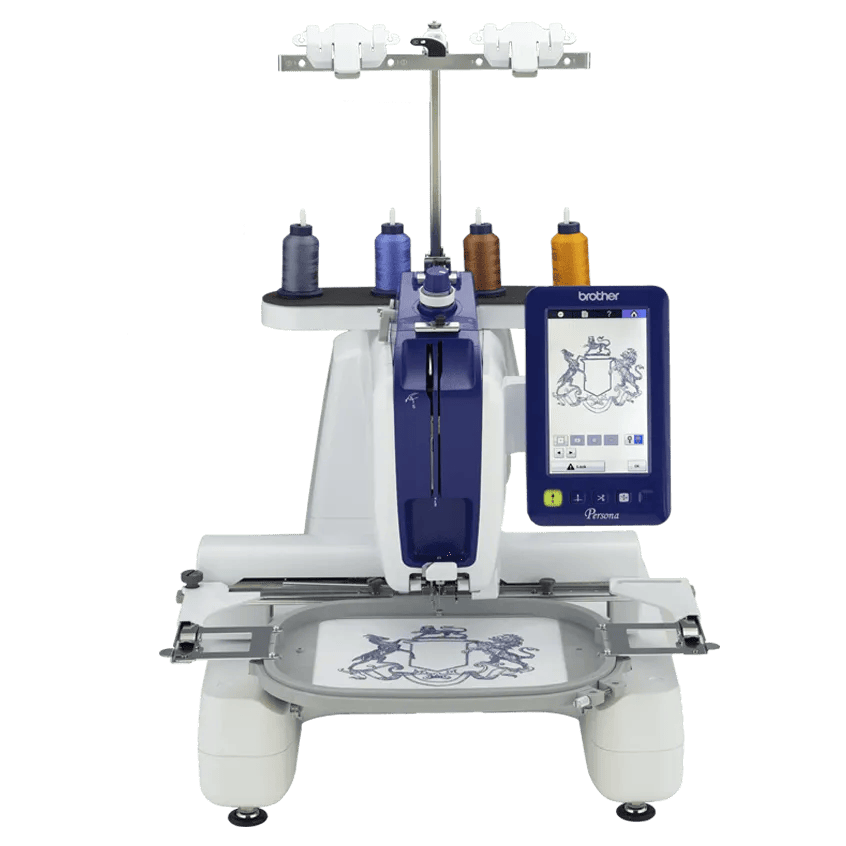 Check price
Brother PRS100 (Persona)
8 × 8 in · Embroidery only
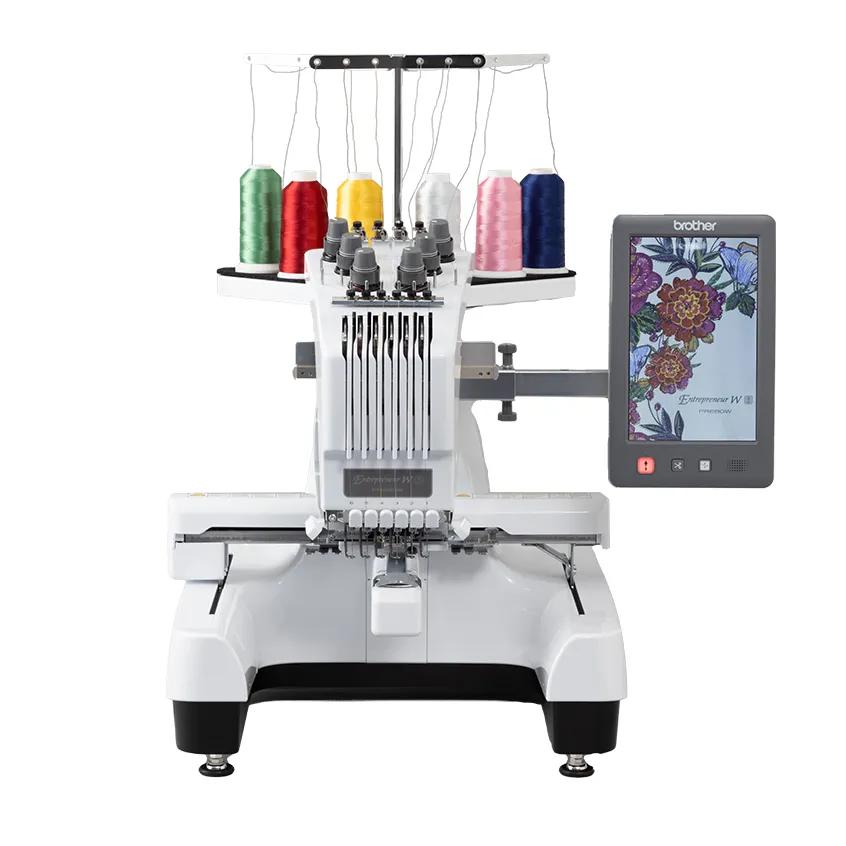 Check price
Brother PR680W
8 × 12 in · Embroidery only · Wi-Fi
Quick answer
An embroidery business can be worth it if your price covers your time and costs, and you can make enough items in the hours you have. On a single-needle home machine, color changes and hooping limit how many pieces you can finish, so it suits personalized, small-batch work better than bulk orders. Test demand with a few items before buying stock or a multi-needle machine, and check that every design you use is licensed for selling.
- Work out time per item first. Capacity, not machine speed, usually sets the limit on a home machine.
- Single-needle machines suit personalized one-offs and small batches; multi-needle machines like the six-needle Brother PR680W change colors automatically.
- Forgotten costs include spoiled blanks, needles, design licenses, fees, packaging, permits and the time spent on listings and messages.
Jump to a section
Plenty of people buy an embroidery machine thinking it could pay for itself. Sometimes it does. Often the first few sales show that each item took longer than expected, the price barely covered the blank, and the most popular request was a design you weren’t allowed to sell.
This guide won’t promise income. It will help you work out, with your own numbers, whether selling embroidery makes sense for you, and what has to be true for it to work. All dollar and time figures below are examples for the math.
The short answer: when it can be worth it
An embroidery business tends to work when three things line up:
- Your price covers your full cost, including your time, at a level buyers will pay.
- You can make enough items in the hours you have to reach the income you want.
- There’s demand for what you make, from buyers you can reach.
If any one of those fails, the business doesn’t work, however good your stitching is.
| Probably worth trying if… | Probably skip it (for now) if… |
|---|---|
| You have a niche: names, gifts, a local team, a hobby community | Your plan is to compete on price with shops that do bulk orders |
| You can sell a few items to people you know or a local event first | You’d need to buy a lot of stock before your first sale |
| You enjoy the work and accept slow months | You need dependable income soon |
| Your best-selling items have few colors and quick hooping | Most requests are many-color logos on a single-needle machine |
| You’re willing to track time and adjust prices | You don’t want to deal with fees, taxes or customers |
What should you sell?
On a single-needle home machine, the best fit is work where personalization matters more than volume:
- Names and monograms on towels, bags, baby items and gifts
- Small-batch items for a club, team, school event or local business
- Items built around your own designs (if you digitize) so licensing isn’t an issue
- Patches and in-the-hoop items that need little finishing
Harder fits for a home machine:
- Large orders of multi-color logos, where each piece needs many manual color changes
- Structured hats. Of the Brother machines in our database, the PRS100 and PR680W list cap frame capability. Madeira describes its E-Zee Cap stabilizer for structured caps hooped on round cap frames. The PE and SE home machines don’t list cap frames. See how to embroider a hat on a home machine for the workarounds.
For product ideas, see what can you make with an embroidery machine.
Time per item: do this math first
Before you think about income, work out how long one item takes from start to finish. Here are two example items on a Brother PE900, using Brother’s 650 spm maximum at an assumed 80% efficiency (520 effective spm) and an example 1.5 minutes per color change.
| Example item | Stitches | Colors | Stitching | Color changes | Setup and finishing | Total |
|---|---|---|---|---|---|---|
| Two-color name on a towel | 4,000 | 2 | 7.7 min | 1.5 min | 10 min | about 19 min |
| Eight-color 5 × 7 design on a sweatshirt | 15,000 | 8 | 28.8 min | 10.5 min | 12 min | about 51 min |
Now add the time that isn’t at the machine: answering messages, taking photos, writing listings, buying supplies, packing and shipping. That work is real, and you aren’t paid for it unless it’s in your price.
The stitch time calculator and our guide to how long machine embroidery takes walk through the formula.
What does that mean for capacity?
With the example figures, a four-hour session gives you about 12 towels or about 4 sweatshirts, before any mistakes. Multiply by the sessions you can realistically work in a week. That number is your ceiling. If the income you’d want needs more items than that, at a price buyers will pay, the plan won’t work on this machine without changes.
Impressions, a trade magazine for the decorated apparel industry, describes pricing from a target revenue and the hours a shop can actually stitch. The same idea works at home: your capacity, not your machine’s top speed, sets your income ceiling.
Single-needle vs multi-needle: what changes?
| Single needle (e.g. PE900, PRS100) | Multi-needle (e.g. PR680W) | |
|---|---|---|
| Color changes | Manual rethread for every color | Automatic for as many colors as there are needles (six on the PR680W) |
| Attention needed | Near the machine at every color change | Can hoop the next item while it stitches, if the design fits the threaded colors |
| Max speed (Brother) | 650 spm (PE900); 1,000 spm (PRS100) | 1,000 spm (PR680W) |
| Max field (Brother) | 5 × 7 (PE900); 8 × 8 (PRS100) | 8 × 12 (PR680W) |
| Cap frame listed | PRS100 only | Yes |
The Brother PRS100 is easy to misread. It looks like a commercial machine and Brother lists a free arm and cap frame capability, but it’s single needle. It solves hats, sleeves and bags; it doesn’t solve color changes.
The Brother PR680W is the example of what a real upgrade looks like: six needles, an 8 × 12 field, cap frame capability and up to 1,000 spm, according to Brother.
Example: the same design on each
Take the eight-color, 15,000-stitch example design. On the PE900, it’s about 51 minutes including 10.5 minutes of rethreading. On a PR680W at an assumed 80% of its 1,000 spm maximum, stitching takes about 19 minutes. With eight colors and six needles, you’d still rethread twice (an example 3 minutes). With an example 12 minutes of setup, that’s about 34 minutes, and some of that setup can happen while the previous item stitches.
These are estimates, not measured results. The point is where time goes: on a multi-needle machine, much less of it is yours.
For more on the trade-off, see single-needle vs multi-needle embroidery machines.
Costs people forget
Most new sellers count the blank and thread. These are the lines that get missed:
- Your time, at the machine and away from it. Price it at an hourly rate, even if you pay yourself nothing at first.
- Spoiled pieces. A crooked placement or a bird nest ruins a blank. Build a share of that into every item.
- Needles. Madeira puts a machine embroidery needle’s lifespan at about eight hours of running time.
- Designs and fonts, plus any commercial-use licenses.
- Software and subscriptions.
- Marketplace and payment fees, which grow with your price.
- Packaging and shipping supplies.
- Permits, licenses and taxes. The SBA says requirements vary by business activity and location, and zoning rules can apply even to home-based businesses.
- Insurance. The SBA notes a rider on a homeowner’s policy can cover a small amount of business equipment.
- Machine service and replacement parts over time.
The startup cost guide covers the one-time costs. How to price machine embroidery shows how to fold the recurring ones into each price.
Are your designs licensed for selling?
Buying a design file usually gives you a license to use it, not ownership, and the terms decide whether you can sell what you stitch. OESD’s policy is a good example of how much the rules can vary within one company:
- Non-licensed designs: you can sew them on items to be sold.
- Most licensed collections: sewing for resale is limited to 25 items per collection.
- Warner Brothers and Tula Pink collections: items may not be sewn for resale at all.
- All designs: you may not copy, share or sell the design files.
Other designers set their own terms, so read the license for every design you plan to sell, and keep a copy. Customer requests for a sports team, brand or cartoon character are the riskiest: those are owned by someone else, and buying a design file doesn’t give you rights to the logo or character. When in doubt, decline the job or ask for written permission from the owner.
Your own original designs avoid the issue entirely. If you want to digitize, see how to digitize with Ink/Stitch.
Test demand before you scale
The cheapest way to find out whether a business works is to sell a little first.
- Pick one or two products that suit your machine: few colors, quick hooping.
- Price them properly with the pricing calculator, including your time.
- Make samples and photograph them.
- Sell to a small audience first: friends, a local event, a club or a preorder.
- Track everything: time per item, spoiled pieces, fees, and which items sell.
- Adjust. Raise prices, drop slow items or change designs before you buy more stock.
If a small batch at a fair price doesn’t sell, buying more blanks or a bigger machine won’t fix it.
When should you upgrade to a multi-needle machine?
An upgrade makes sense when you can answer yes to most of these:
- You regularly turn down or delay paid orders because your machine can’t keep up.
- Much of your work is multi-color designs where rethreading is a big share of the time.
- You get steady requests for hats or larger designs your current machine can’t do.
- Your prices already cover costs, so the new machine would add capacity to a business that works.
Upgrade on evidence, not hope. A multi-needle machine like the PR680W costs much more than a home machine, so check current prices, and run the numbers on how many extra items you’d need to sell to cover it. If hats are the only gap, compare the single-needle PRS100 too.
Our guide to the best embroidery machine for a small business compares the options. If you’re still starting out, start here.
Spec comparison
| Model | Field | Type | Designs | Max speed | Transfer | Shop |
|---|---|---|---|---|---|---|
| Brother PE900 | 5 × 7 in | Embroidery only | 193 | 650 spm | USB, Wi-Fi, Artspira app | Check price ↗ |
| Brother PRS100 (Persona) | 8 × 8 in | Embroidery only | 445 | 1000 spm | USB | Check price ↗ |
| Brother PR680W | 8 × 12 in | Embroidery only | 100 | 1000 spm | USB, Wi-Fi | Check price ↗ |
Frequently asked questions
Can you make money with a home embroidery machine?
Some people do, but it depends on your prices, costs, the time each item takes and whether buyers want what you make. We don’t make income claims; use the pricing and stitch time calculators with your own numbers and test demand with a small batch.
Is a single-needle machine enough to start an embroidery business?
For personalized items and small batches, it can be. The limit is capacity: every color change is a manual rethread, and you need to stay near the machine.
Can I sell items made with embroidery designs I bought?
It depends on each design’s license. OESD, for example, allows selling items stitched with its non-licensed designs, limits most licensed collections to 25 items, and bans resale for some licensed collections.
When should I upgrade to a multi-needle machine?
When you consistently have more paid orders than your single-needle machine can handle, especially multi-color designs or hats. Upgrading before you have that demand adds cost without adding sales.
Do I need a business license to sell embroidery?
Requirements vary. The SBA says license and permit rules depend on your business activity and location, and zoning rules can apply to home-based businesses, so check with your state and city.
Sources & method
This guide is compiled from manufacturer documentation and specialist sources, not hands-on testing. We link every source so you can check it. Specifications change, so confirm details against your exact model manual. How we research.